Best Business Credit Cards for 2026 Top Picks
Discover the best business credit cards for 2026. We compare rewards, fees, APR, and perks to help you choose the right card for your business spending.

Best Business Credit Cards for 2026 — Top Picks

Business credit cards can help companies manage purchases, separate business expenses from personal spending, earn rewards, and provide employees with controlled access to company funds.
But the best business card depends heavily on how your company spends money. A marketing agency may benefit from rewards on advertising and internet expenses, while a company with frequent travel may receive more value from miles, airport benefits, and travel credits.
Annual fees also matter. A card with a $375 or $395 annual fee can still provide strong value when the benefits match your spending, but paying for premium features you rarely use creates another unnecessary business expense.
For this 2026 comparison, FinanceHub USA focused on current rewards structures, annual fees, business use cases, and information available directly from card issuers.
Important: Credit card offers, welcome bonuses, APRs, rewards, and benefits can change. Review the issuer's current terms before applying.
Best Business Credit Cards for 2026 at a Glance
| Card | Best For | Annual Fee | Core Reward Structure |
|---|---|---|---|
| Chase Ink Business Preferred | Business expenses and flexible travel rewards | $95 | 3 points per dollar in selected categories on up to $150,000 in combined annual spending |
| American Express Blue Business Cash | Simple cash back with no annual fee | $0 | 2% cash back on eligible purchases up to the annual spending cap, then 1% |
| Capital One Venture X Business | Frequent business travel | $395 | 2 miles per dollar on general purchases with higher rewards through Capital One Business Travel |
| Bank of America Business Advantage Unlimited Cash Rewards | Unlimited cash back with no annual fee | $0 | Unlimited 1.5% cash back, with higher rates possible for qualifying Preferred Rewards members |
| Bank of America Unlimited Cash Rewards Secured | Businesses working to establish credit | $0 | Unlimited 1.5% cash back with a required security deposit |
| American Express Business Gold | Businesses with large spending in eligible bonus categories | $375 | 4 points per dollar in the top two eligible categories, subject to the annual cap |
This comparison is for general educational purposes. Approval, credit limits, APRs, and eligibility depend on the applicant and issuer underwriting.
1. Best Overall: Chase Ink Business Preferred
Chase Ink Business Preferred remains one of the most flexible business rewards cards for companies that spend heavily in categories such as travel, shipping, internet, cable, phone services, and qualifying advertising purchases.
The card currently earns 3 points per dollar on the first $150,000 in combined purchases in eligible business and travel categories each account anniversary year. Other purchases generally earn 1 point per dollar.
Chase currently offers 100,000 bonus points after $8,000 in purchases during the first three months for the offer reviewed for this article.
The annual fee is $95.
Key Features
- 3 points per dollar in eligible travel and business categories
- $150,000 combined annual spending cap for the 3 point categories
- 1 point per dollar on other eligible purchases
- Employee cards at no additional cost
- No foreign transaction fee
- Access to Chase Ultimate Rewards
- Ability to transfer points to participating travel loyalty programs
The card can work particularly well for companies with significant spending on online advertising, shipping, telecommunications, and business travel.
However, businesses with limited spending in those categories may receive more value from a simple cash back card.
2. Best Simple Cash Back Card: American Express Blue Business Cash

American Express Blue Business Cash can be attractive for business owners who prefer cash back instead of points or travel rewards.
The card currently has no annual fee.
Eligible purchases earn 2% cash back on the first $50,000 of purchases each calendar year. After that threshold, eligible purchases generally earn 1%.
American Express currently lists a welcome offer of $250 in statement credit after $3,000 in eligible purchases within the first three months.
Key Features
- $0 annual fee
- 2% cash back on eligible purchases up to the annual spending limit
- 1% cash back after the threshold is reached
- Cash back received as statement credit
- Business expense management features
Who It May Be Best For
The Blue Business Cash card can suit companies with relatively simple spending patterns that want straightforward cash rewards without an annual fee.
A business spending substantially more than $50,000 each year should compare the effective rewards rate after the higher earning rate ends.
3. Best Premium Travel Card: Capital One Venture X Business
Capital One Venture X Business is designed for companies with significant spending and frequent travel.
The card currently earns 2 miles per dollar on general purchases, with higher reward rates when qualifying travel is booked through Capital One Business Travel.
Current rewards include:
- 10 miles per dollar on qualifying hotels and rental cars booked through Capital One Business Travel
- 5 miles per dollar on qualifying flights booked through Capital One Business Travel
- 2 miles per dollar on general eligible purchases
The annual fee is $395.
The offer reviewed for this article provides 150,000 bonus miles after $30,000 in purchases during the first three months.
The card also includes a $300 annual credit for bookings through Capital One Business Travel and 10,000 anniversary bonus miles under current terms.
Important Difference: This Is a Charge Card
Venture X Business operates as a business charge card rather than a traditional revolving credit card.
Capital One describes the card as having no preset spending limit, with purchasing power adapting according to factors such as spending behavior, payment history, and credit profile.
Businesses considering the card should understand the payment terms and make sure the company's cash flow is appropriate for the product.
Who It May Be Best For
Venture X Business can provide substantial value for companies with high business spending and regular travel that can use the travel credit and premium benefits.
Its $30,000 welcome bonus spending requirement and $395 annual fee make it less suitable for many small startups.
4. Best Unlimited Cash Back With No Annual Fee: Bank of America Business Advantage Unlimited Cash Rewards

Bank of America Business Advantage Unlimited Cash Rewards offers a simple rewards structure with no annual fee.
The card earns unlimited 1.5% cash back on eligible purchases.
There is no annual cap on the amount of cash back that can be earned, and rewards do not expire while the account remains open under current terms.
Preferred Rewards for Business Can Increase the Rate
Qualifying Bank of America customers enrolled in Preferred Rewards for Business can earn more than the standard 1.5% rate.
Current reward levels include:
| Preferred Rewards Status | Illustrative Cash Back Rate |
|---|---|
| Not enrolled | 1.50% |
| Gold | 1.87% |
| Platinum | 2.25% |
| Platinum Honors | 2.62% |
Eligibility for these higher rates depends on qualifying Bank of America business banking relationships and balance requirements.
Current Welcome Offer
Bank of America currently advertises a $500 cash rewards bonus for the online offer after meeting the required spending terms.
Because promotional offers change frequently, verify the required spending amount and time period immediately before applying.
Who It May Be Best For
This card can be a strong fit for businesses that want uncomplicated cash back and no annual fee, particularly existing Bank of America business customers who can qualify for Preferred Rewards.
5. Best for Establishing Business Credit: Bank of America Unlimited Cash Rewards Secured
Instead of recommending outdated products solely because they were once marketed as easy business credit cards, businesses building credit should consider a current secured option.
Bank of America Business Advantage Unlimited Cash Rewards Secured is specifically designed to help businesses establish or strengthen credit history.
The card requires a minimum $1,000 security deposit. Upon approval, the credit line generally equals the security deposit.
Key Features
- $0 annual fee
- Minimum $1,000 security deposit
- 1.5% unlimited cash back on eligible purchases
- Employee cards available
- Periodic account reviews for possible transition to an unsecured product
Bank of America states that consistent responsible account use can help establish business credit over time, although no particular score improvement or future approval is guaranteed.
Who It May Be Best For
A secured business card can be useful for a company that has difficulty qualifying for traditional unsecured business credit but has cash available for the required deposit.
It should not be viewed as a shortcut to large credit limits. The purpose is to establish genuine payment history over time.
6. Best for High Spending in Flexible Categories: American Express Business Gold
American Express Business Gold can provide strong rewards for businesses whose major expenses fall within its eligible bonus categories.
The card currently earns 4 Membership Rewards points per dollar in the two eligible categories where the business spends the most each month, subject to the applicable annual spending cap.
It also currently earns 3 points per dollar on qualifying flights and prepaid hotels booked through AmexTravel.com and 1 point per dollar on other eligible purchases.
The annual fee is now $375.
Key Features
- 4 points per dollar in the top two eligible categories each month
- 3 points per dollar on qualifying flights and prepaid hotels booked through AmexTravel.com
- 1 point per dollar on other eligible purchases
- Business expense management tools
- No foreign transaction fee under current terms
- Statement credit benefits that may offset part of the annual fee when used
American Express currently offers several business credits on the card, but enrollment and specific purchase requirements can apply. These benefits should be valued only if your company would naturally use them.
Who It May Be Best For
Business Gold can work well for companies with substantial spending across qualifying categories such as advertising, technology, transportation, and other eligible business expenses.
A business that would not naturally use the bonus categories or statement credits may struggle to justify the $375 annual fee.
How to Choose a Business Credit Card
A card should fit the way your company already spends money rather than encourage additional spending just to earn rewards.
1. Review Your Actual Business Spending
Look at several months of business transactions and identify your largest categories.
Common expenses may include:
- Advertising
- Shipping
- Software
- Travel
- Office supplies
- Telecommunications
- Inventory
- Professional services
Then compare those categories with the card's actual rewards structure.
2. Calculate Whether the Annual Fee Is Worth Paying
A high annual fee is not automatically bad, and a $0 annual fee is not automatically better.
Suppose Card A has no annual fee and generates $500 of rewards for your spending.
Card B has a $395 fee but generates $1,300 of rewards and benefits that your business genuinely uses.
| Card A | Card B | |
|---|---|---|
| Annual rewards and useful benefits | $500 | $1,300 |
| Annual fee | $0 | $395 |
| Illustrative net value | $500 | $905 |
This is only an illustration. Actual rewards values depend on your spending, redemption method, and use of benefits.
3. Do Not Overspend for a Welcome Bonus
Welcome bonuses can be valuable, but only when the required purchases fit normal business expenses.
Spending $8,000 or $30,000 unnecessarily just to receive points or miles can easily destroy the financial value of the bonus.
Before applying, review upcoming legitimate expenses such as inventory, advertising, software renewals, equipment, or planned business travel.
4. Compare APRs if You Expect to Carry a Balance
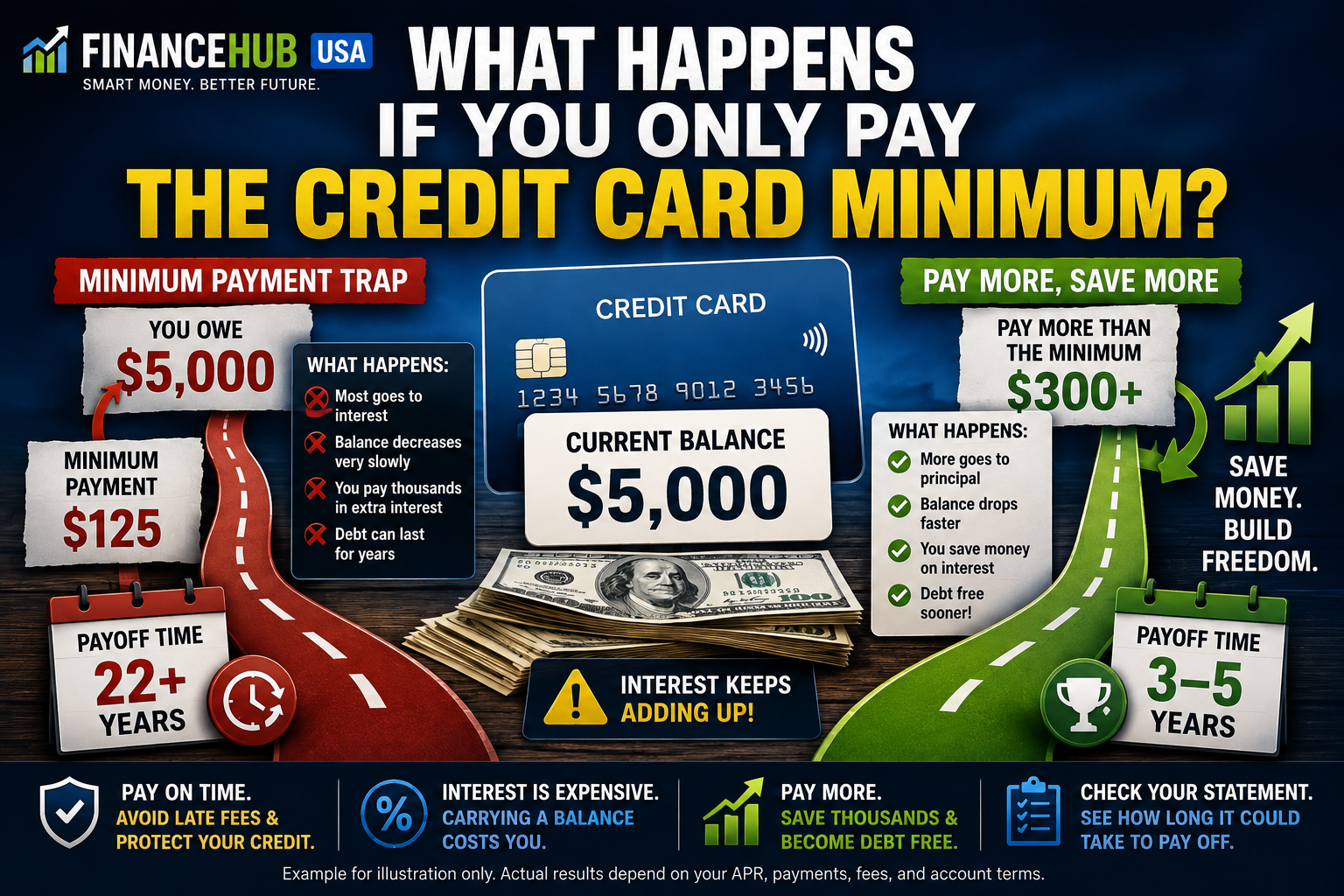
Rewards should become a secondary consideration when the business regularly carries credit card debt.
Interest charges can quickly exceed the value of cash back or travel points.
If carrying a balance is likely, review:
- Purchase APR
- Introductory APR periods
- Balance transfer terms where available
- Late payment fees
- Penalty rates
Ideally, business card spending should remain within an amount the company can reasonably repay.
Business Credit Card vs. Charge Card
Not every product marketed as a business card works exactly like a traditional credit card.
| Feature | Traditional Business Credit Card | Business Charge Card |
|---|---|---|
| Revolving balance | Generally possible subject to account terms | May require payment according to different terms |
| Preset credit limit | Usually yes | May have no preset spending limit |
| Interest | Can apply to carried balances | Depends on product and payment features |
| Best suited for | General business borrowing and spending | Businesses with strong cash flow and substantial spending |
Read the payment terms carefully rather than assuming every card allows balances to be carried in the same way.
Will a Business Credit Card Build Business Credit?
Potentially, but reporting practices vary by issuer.
A business credit card can contribute payment history to commercial credit reporting agencies when the issuer reports the account.
However, not every issuer reports the same information to the same agencies.
Some business credit cards may also involve the owner's personal credit during underwriting or require a personal guarantee.
Before applying primarily for credit building, ask the issuer:
- Does the account report to commercial credit agencies?
- Which agencies receive the information?
- Is a personal guarantee required?
- Will the application involve personal credit?
Related reading: How to Build Business Credit Fast in 2026
FinanceHub USA Analysis: Rewards Should Follow Spending, Not Create It
Business credit card marketing naturally emphasizes points, cash back, bonuses, and travel benefits.
But rewards are valuable only when they are earned from spending the business would have made anyway.
Consider a company that normally spends $50,000 per year. If the owner begins making unnecessary purchases simply to reach $75,000 of card spending, the additional rewards will rarely compensate for $25,000 of unnecessary costs.
The strongest business card strategy therefore begins with the company's operating expenses.
Ask:
- How much does the business normally spend each year?
- Which categories account for most of that spending?
- Can the balance be paid without creating expensive interest?
- Will the business actually use the card's credits and benefits?
- Does the annual fee make sense after subtracting benefits that would not otherwise be purchased?
- Does the card make bookkeeping easier?
A card producing fewer advertised rewards can still be the better financial tool if it fits the company's spending and costs less to maintain.
Common Business Credit Card Mistakes
- Choosing a card only for the welcome bonus. The long term rewards structure and annual fee matter after the introductory offer is gone.
- Overspending to earn rewards. Rewards rarely compensate for unnecessary purchases.
- Ignoring the annual fee. Premium benefits are valuable only when your business actually uses them.
- Carrying expensive balances for cash back. Interest can exceed the rewards earned.
- Assuming every business card builds commercial credit equally. Reporting practices vary by issuer.
- Ignoring personal guarantees. Many business cards can still expose the owner to personal repayment responsibility.
- Mixing personal purchases with business expenses. Clear records make bookkeeping and tax preparation easier.
- Giving employees unrestricted spending access. Use available controls and review transactions regularly.
- Keeping an outdated card because it used to be valuable. Rewards, annual fees, and benefits can change over time.
Final Thoughts
The best business credit card for 2026 depends on your company's actual spending, cash flow, travel needs, and willingness to pay an annual fee.
Chase Ink Business Preferred provides strong rewards across several common business categories. American Express Blue Business Cash offers simple cash back with no annual fee. Capital One Venture X Business is designed for companies with substantial spending and travel. Bank of America's Unlimited Cash Rewards card provides straightforward cash back, while its secured version can be useful for businesses establishing credit. American Express Business Gold can reward companies with large spending in eligible bonus categories.
Do not select a card solely because it appears first in a ranking.
Compare your actual expenses with the card's earning structure, subtract the annual fee, understand the welcome bonus requirements, and review how the product handles balances and payments.
The best card is the one that supports purchases your business already needs to make while adding rewards, convenience, or financial flexibility without encouraging unnecessary debt.
Continue exploring FinanceHub USA for practical guides on business credit, banking, loans, cash flow, taxes, and small business finance.
Sources and Further Reading
Frequently asked questions
What is the best business credit card for startups in 2026?
For startups, the Divvy Business Card is an excellent choice because it offers credit building without a personal guarantee. The Bank of America Business Advantage Unlimited Cash Rewards is also a solid option with no annual fee and straightforward 1.5% cash back. I've recommended both to startup founders I know.
How can I get a business credit card with no personal guarantee?
Some cards, like the Divvy Business Card, offer options without a personal guarantee. However, most business credit cards require a personal guarantee, especially for new businesses. Building business credit history over time can help you qualify for cards without personal guarantees. It takes patience but it's worth it.
Is it better to get a cash back or travel rewards business card?
It depends on your spending. If you travel frequently for business, travel rewards cards often offer higher value per dollar spent. If you prefer simplicity or don't travel often, cash back cards are usually more practical. I personally use a mix of both for different business expenses.
Can I use a personal credit card for my business?
While you can, I don't recommend it. Using a business credit card helps separate personal and business expenses, builds business credit, and often offers better rewards for business spending categories. I made the switch years ago and it made a big difference.
What credit score is needed for a business credit card?
Most business credit cards require a personal credit score of 670 or higher. Some cards are available to those with lower scores, but they may have lower limits, higher fees, or fewer rewards. Building business credit can help you qualify for premium cards over time.